DENº 23Deals & Finance
Exit Prep Beats Exit Timing for UK Food and Drink Sellers
Walker Morris M&A head Richard Naish says UK food and drink sellers should prioritise years of exit preparation over market timing, as buyers tighten due diligence.
· 3 min at the table
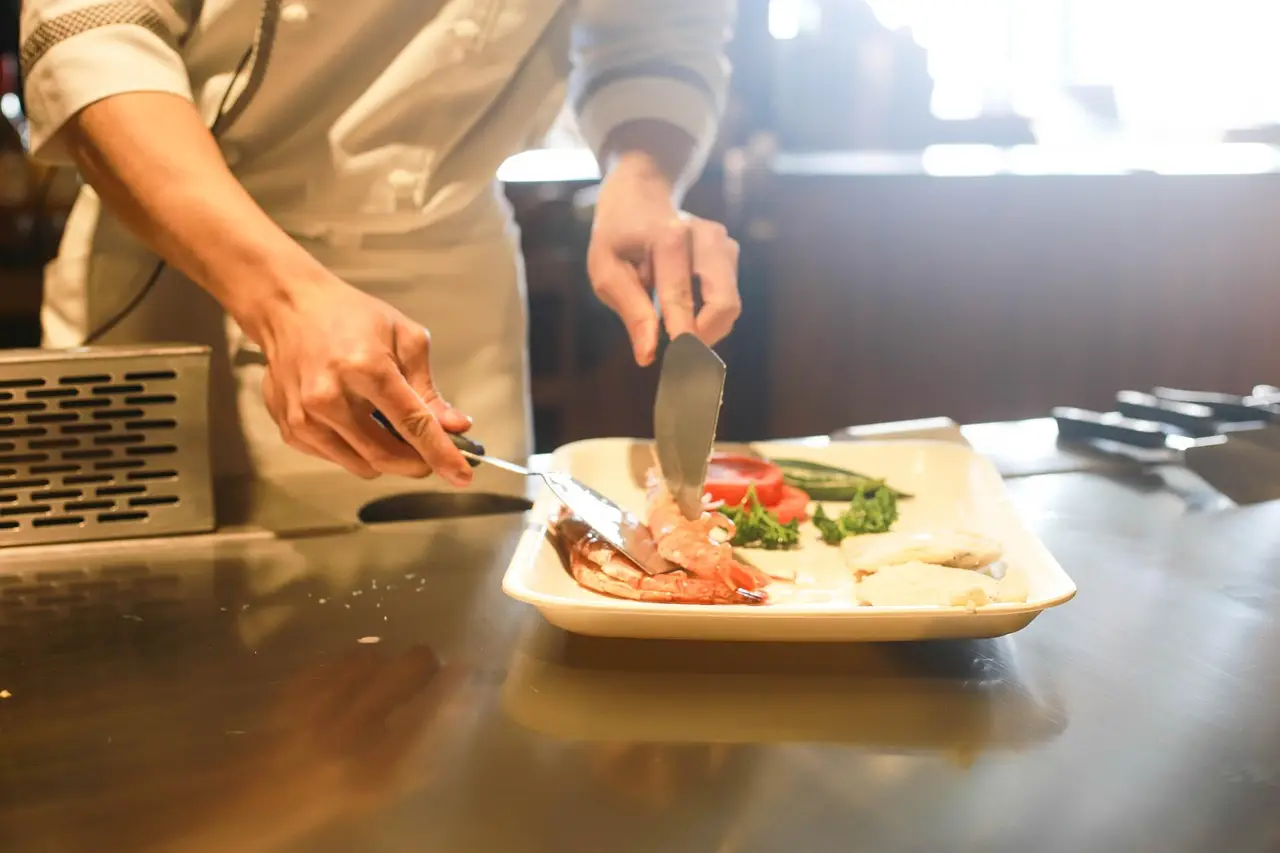
Food and drink remains one of the UK's most active sectors for mergers and acquisitions, yet buyers are rejecting more targets because due diligence now reaches far beneath headline numbers. Richard Naish, head of corporate and M&A at law firm Walker Morris, argues that owners planning a future sale should stop trying to time the market and start preparing the business years before a transaction appears.
"The businesses that tend to secure the strongest outcomes are often those that have spent years preparing for a transaction before one is ever on the horizon," Naish writes. His core message to operators: the best price with the least transaction risk comes from groundwork laid well before a company courts the market.
What are buyers actually screening for?
Growth still attracts bids, but buyers now test sustainability. A business with long-standing customer relationships that are not overly concentrated, clear routes into new channels or markets, and a consistent performance record commands stronger terms than one riding short-term tailwinds.
Operational resilience ranks equally high. Recent disruption has pushed investors to scrutinise supply chain security, supplier dependency — interchangeable suppliers score better — and the depth of management teams. Buyers also want a visible route to further value: expanded distribution, new product development, or operational efficiency gains they can underwrite.
Why does late preparation cost money?
The most common misconception, Naish says, is that exit planning begins when the sale process starts. In practice, issues surfacing during due diligence are rarely new. They trace back to historical decisions, legacy arrangements or documentation that failed to keep pace with growth.
Caught in a live deal, management teams must then resolve complex matters against tight deadlines and, in Naish's phrase, "in the spotlight". At best this slows a transaction. At worst it damages value or buyer confidence. Starting earlier lets a seller fix problems on its own timetable.
Which areas attract the hardest questions?
Due diligence reviews consistently cluster around several zones:
- Employment. National Minimum Wage compliance ranks highly, particularly around changing shift times and uniform provision. Holiday pay and right-to-work checks follow, and senior management contracts get examined with a fine-tooth comb.
- Regulatory compliance. Health and safety records, including any RIDDOR-reportable incidents, environmental matters such as effluent permitting, and data compliance all draw attention.
- Intellectual property. For branded businesses, trade mark protection comes under review. Naish poses a question that has caught sellers out: did the designers of the logo central to the brand actually transfer the rights in it to the brand owner?
- Commercial contracts. Scrutiny falls less on contracts with the main UK grocers — where anything beyond a purchase order is rare outside larger, established supply relationships — and more on supplier arrangements, plus co-manufacturing and co-packing agreements.
- Food safety and wider obligations. Product recalls, regulatory breaches, packaging and recycling rules, import/export controls, sanctions and anti-bribery measures all feed the buyer's risk assessment.
- Property. Whether sites are owned or leased, sellers must understand attached liabilities, including future dilapidations claims.
Where disputes, investigations or enforcement action have arisen, buyers expect to understand both the issue and how it was managed. Naish is explicit: written policies matter, but training, implementation and genuine board-level buy-in must accompany them.
What happens next?
No business is risk-free, and buyers do not demand perfection. They reward sellers who know their weaknesses and have taken sensible steps to address them. Naish's closing instruction to operators — including those with no sale plans — is that readiness for an unsolicited approach requires the same level of preparation as a marketed process, and in a market of increasingly thorough buyers, that preparation will decide both the speed of the deal and the price at completion.
via FoodBev (Source)
More from Priya Raman
Show full bio
Staff writer covering companies, deals and strategy in European hospitality industry at Eurotables Report.
139 articles
Other tables tonight
- Nº 37IHG expands hotel pipeline as CEO signals confidence for 2026NLOctober 20, 2026
- Nº 41Savills Forecasts Rise in Creative Deal Making Across European HotelsITOctober 10, 2026
- Nº 06European hotel transactions rise 30% in 2025 to €22.6 billionITOctober 10, 2026
- Nº 01Circana: European Foodservice Set for Modest Spend Recovery in 2025NLOctober 10, 2026
- Nº 13Accor lifts profit outlook and plans buyback despite narrow Q3 missDEOctober 18, 2026