ITNº 34EU Policy & Regulation
EU Revised Waste Framework Directive enters into force on textile and food waste
EU's revised Waste Framework Directive entered into force, imposing bloc-wide textile waste duties and binding food waste reduction benchmarks with direct operational impact on hotels and restaurant groups.
· 2 min at the table
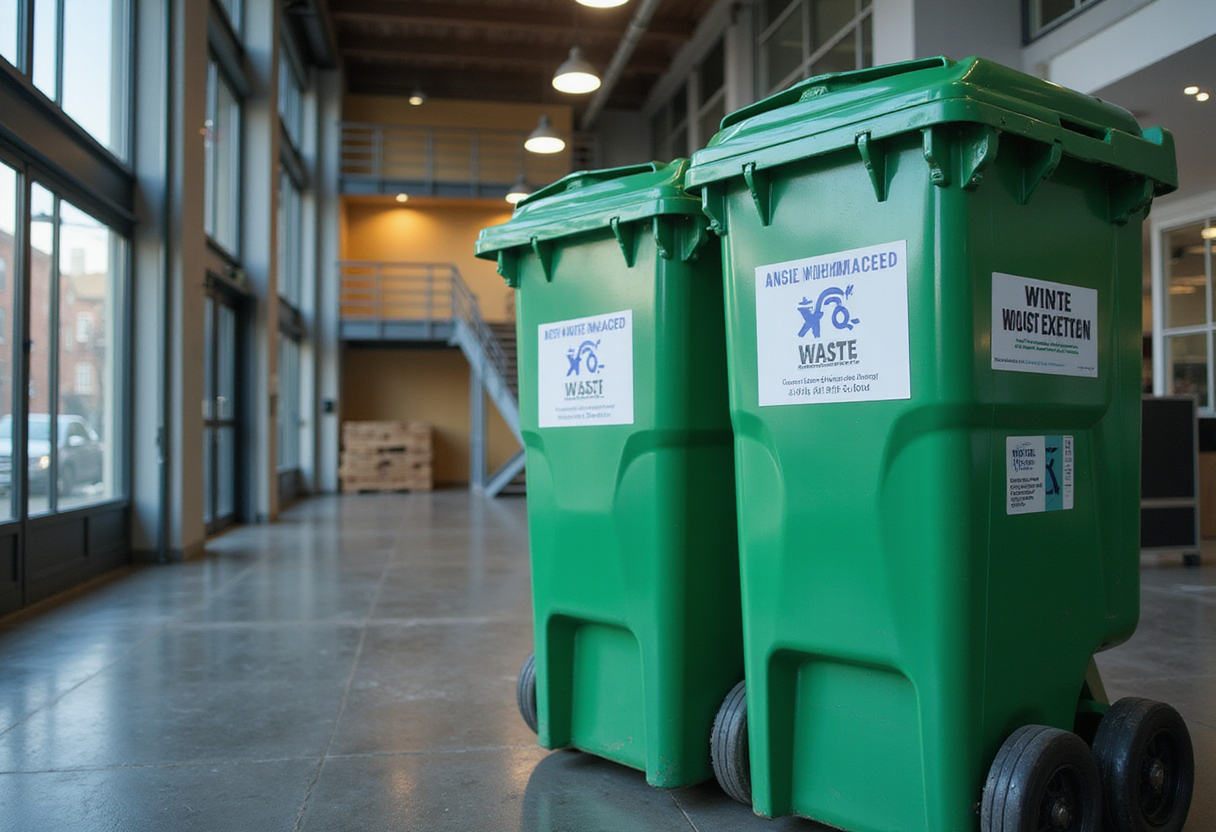
The European Union's revised Waste Framework Directive entered into force, the European Commission confirmed through its environment directorate, formally launching new obligations on member states to accelerate textile circularity and cut food waste across the bloc's 27 economies.
The revision amends the bloc's foundational waste law, Directive 2008/98/EC, and installs the first EU-wide framework dedicated to textile waste streams, paired with binding food waste reduction benchmarks at retail and consumer stages.
For hospitality operators, the dual scope carries direct operational consequences. Hotels and restaurants sit at the intersection of both waste streams: bed linens, towels, staff uniforms and table linen drive textile consumption per occupied room, while commercial kitchens and buffet operations account for a substantial portion of pre- and post-consumer food loss.
What does the directive actually require?
The revised framework extends producer responsibility to textile producers and brands, mandates separate collection systems for textiles across member states, and sets binding food waste reduction targets at retail and consumption levels. The Commission frames both pillars as central to its circular economy and climate commitments.
The directive also curtails the destruction of unsold textiles and apparel by large operators, channelling returned, damaged or excess stock back into reuse or recycling pathways.
Why does this matter for hotel and restaurant groups?
For hotel chains, restaurant groups and contract caterers, compliance reshapes procurement specifications, waste logistics and reporting requirements. Extended producer responsibility schemes typically pass costs to producers, which can cascade into pricing of linens, uniforms and F&B packaging. Procurement teams should expect supplier price adjustments as EPR fees internalize across textile value chains.
Food-side compliance introduces measurement and reporting duties. Operators must track waste across preparation, service and consumer-plate stages. Hospitality accounts for a measurable share of total food waste in member states, with the precise split varying by country and operating model.
What should hospitality companies do now?
Group sustainability and procurement leads should map current textile volumes - linens, terry, staff uniforms, F&B textiles - and identify reuse, donation and recycling pathways already in place. Kitchens should begin or formalize waste measurement, since baseline data collected in this window will likely inform national transposition targets.
Member states now have a defined transposition window to align national law with the directive, after which collection, reporting and EPR obligations become enforceable. Operators should track national transposition bills for compliance dates, reporting templates and penalty structures.
The directive signals an intent to extend circularity rules into adjacent areas - packaging, consumer electronics, construction materials - in subsequent legislative cycles, with operators likely facing a denser compliance perimeter by the end of the decade. National transpositions, expected over the coming months, will set the first firm dates hotel groups must hit.
via Google News: restaurant industry Europe (Source)
More from Grace Kim
Show full bio
Market editor covering consumer brands and retail at Eurotables Report.
69 articles
Other tables tonight
- Nº 26EU-Startups spotlights 10 European startups commercialising food wasteNLOctober 10, 2026
- Nº 17EU Packaging Law Enters Force, Redrawing Hotel and Restaurant Procurement Through 2030ITOctober 10, 2026
- Nº 02CORDIS report: Available tech can cut Europe's food-chain emissions by 2050FROctober 10, 2026
- Nº 14EU Commission Sets Out Plan to Simplify Food RulesITSeptember 30, 2026
- Nº 21Parliament Magazine: EU must overhaul food system to stay competitiveFROctober 10, 2026