FRNº 11EU Policy & Regulation
Brussels urges Spain to raise hospitality VAT to shift tax burden upward
The European Commission has urged Spain to raise hospitality VAT, arguing it would free fiscal room to tax higher incomes more heavily, Diari ARA reports.
· 2 min at the table
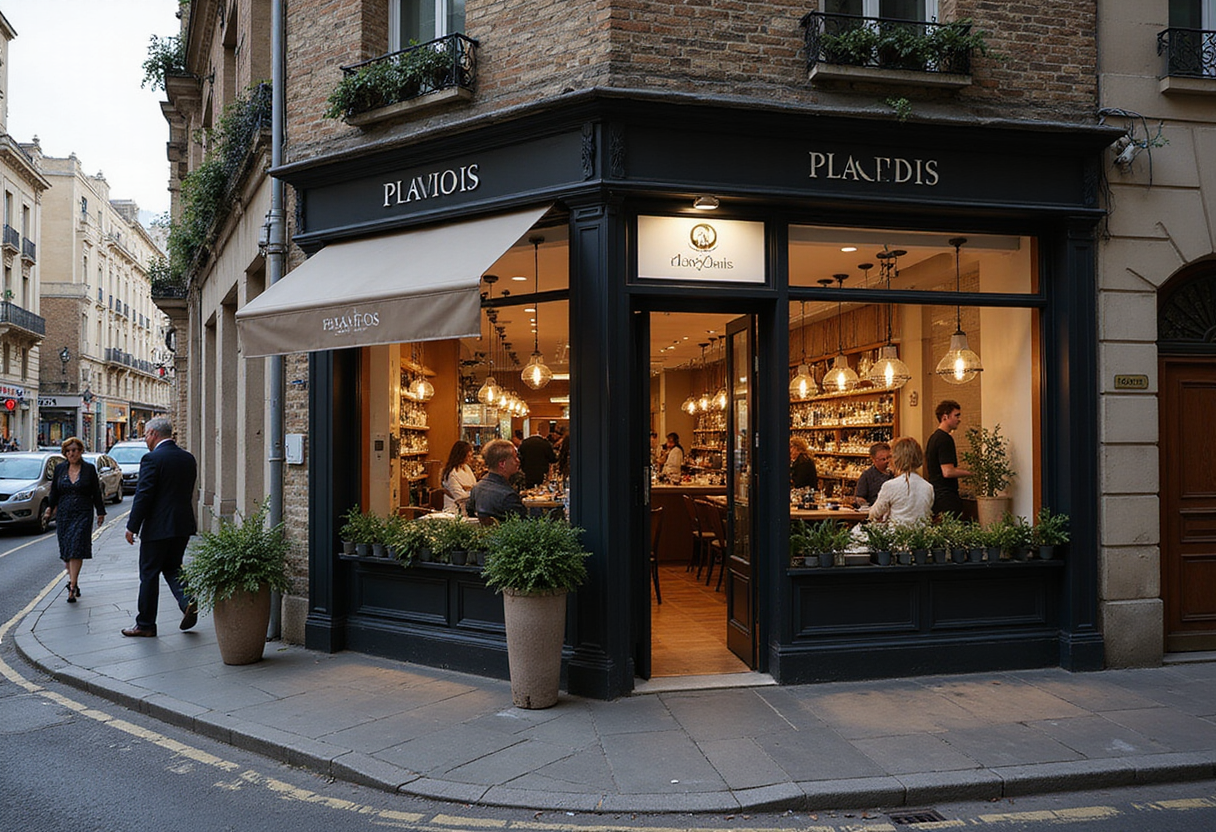
The European Commission has formally urged Spain to raise VAT on hospitality services, arguing the move would free fiscal room to tax higher incomes more heavily, Diari ARA reports.
The recommendation lands directly on one of the most sensitive pricing levers in Spanish hospitality. The sector has operated under a reduced VAT regime for hotels and restaurants for years, and any move back toward the standard rate would raise the sticker price of stays, meals and related services across one of Europe's largest tourism markets.
Why is Brussels targeting hospitality VAT?
The Commission's argument is distributional. In its view, a reduced VAT rate on hospitality functions, in practice, as a broad subsidy that benefits higher-spending households disproportionately. Raising the rate would generate revenue Madrid could redirect toward heavier taxation of top incomes, producing a fairer overall tax mix.
That logic puts Brussels on a collision course with Spanish industry bodies and regional governments, which have long defended reduced hospitality VAT as a competitiveness tool. Operators argue the regime keeps Spain price-competitive against other Mediterranean destinations and sustains employment across a sector that represents a major share of national output.
What does the request mean for Spanish operators?
For hotel and restaurant groups, the immediate read is risk rather than change. A Commission recommendation does not bind Madrid, and any VAT increase would require a Spanish legislative decision, likely over industry objections.
If adopted, the effect would flow straight through pricing. Operators would face a choice between passing the higher rate to guests — testing demand elasticity in a market that depends heavily on price-sensitive leisure travel — or absorbing it in margins already under pressure from wage and energy costs.
The timing also matters politically. Any move to raise hospitality VAT would contradict repeated commitments by Spanish political parties and sector associations to defend the reduced rate, making a quick legislative shift unlikely.
What happens next?
Watch for the Spanish government's formal response to the Commission, expected counterarguments from hospitality associations and regional authorities, and any signals in upcoming budget negotiations about whether Madrid treats the recommendation as a serious revenue option or files it away. Until a bill reaches parliament, the reduced rates remain in force and operators' pricing structures stay unchanged.
via Google News: EU VAT restaurants (Source)
More from Elena Vasquez
Show full bio
News editor covering marketplaces and e-commerce at Eurotables Report.
91 articles
Other tables tonight
- Nº 30UK Hospitality VAT 2026: How Britain Stacks Up Against EuropeNLOctober 10, 2026
- Nº 35EU moves to equalize VAT for hotels and short-term rentalsESOctober 10, 2026
- Nº 42EU Reporter re-frames hospitality crisis as a profit problemFROctober 10, 2026
- Nº 40Mallorca's Rivals Would Greet a Tourism VAT Rise 'With Open Arms'ESOctober 10, 2026
- Nº 37Portugal Weighs Reversal of Reduced Hospitality VAT RateESSeptember 30, 2026