Brussels targets end-2027 launch for European Tourism Academy
The European Commission wants its Tourism Academy running by late 2027, the first dated measure of the EU tourism strategy adopted on 4 November 2026.
· 3 min at the table
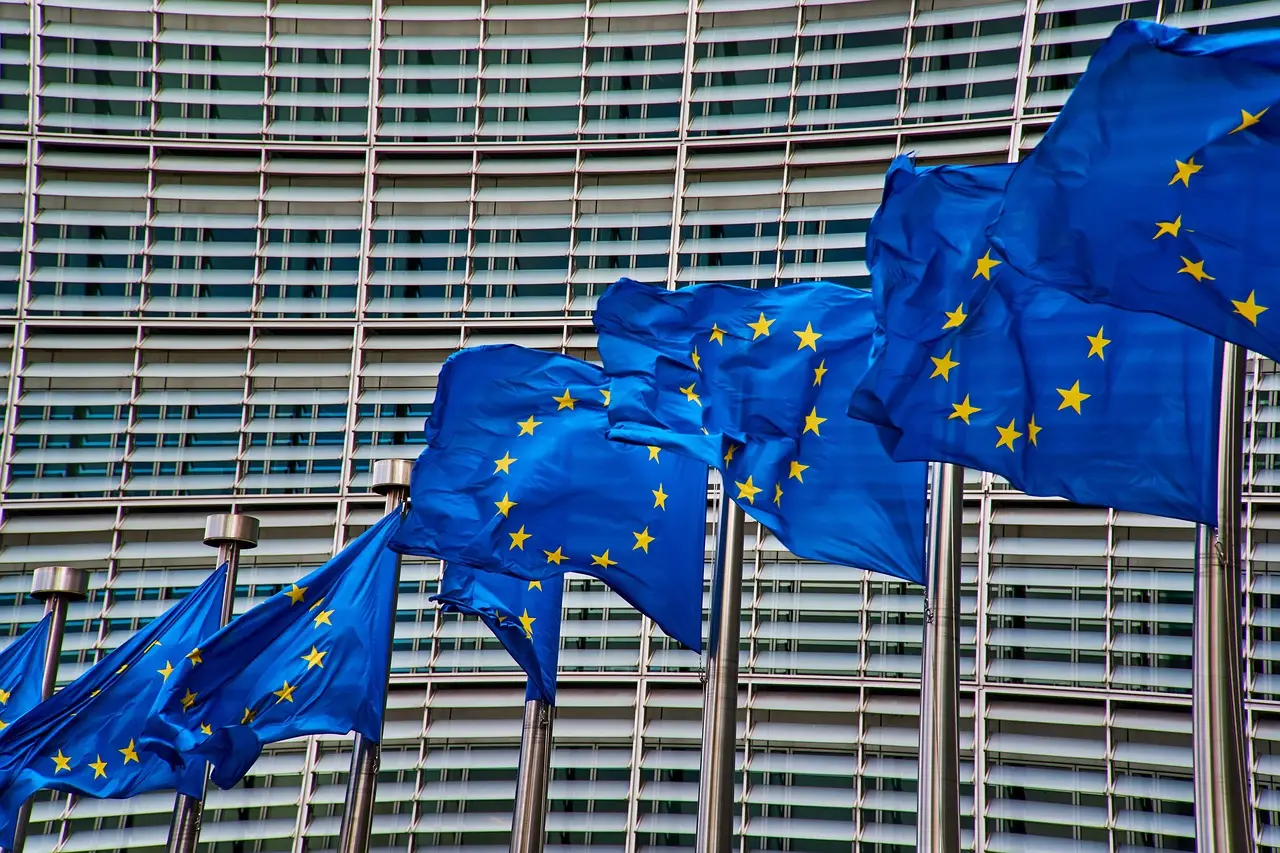
The European Commission wants a European Tourism Academy running by late 2027, the first measure with a firm deadline from the EU's sustainable tourism strategy adopted on 4 November 2026.
European Commissioner for Sustainable Transport and Tourism Apostolos Tzitzikostas set the timetable before Greek journalists, as reported by trade site GTP on 13 November 2026. The Academy will start operating around the end of 2027. It will be entrusted to teaching institutions selected through an open call.
Two questions remain open. No host city has been chosen and no budget has been announced.
Where will the Academy sit?
Greece has put itself forward as a candidate seat. Spain did so earlier: Industry and Tourism Minister Jordi Hereu proposed in February to host the Academy.
The substance is taking shape faster than the finances. According to the Commissioner's earlier statements, the Academy will bring together training institutions and tourism businesses to develop the skills the sector needs — digital competences, sustainability, foreign languages and destination management. Tzitzikostas has also floated an online pilot format for the first two years of operation.
What does the strategy contain beyond the Academy?
The Academy flows from the EU strategy for sustainable tourism adopted on 4 November 2026. Tzitzikostas presents it as the "most ambitious, comprehensive and global" policy framework ever drawn up for tourism in Europe.
The strategy sets out four further instruments:
- a European Tourism Observatory;
- a common European space for tourism data;
- an alliance bringing together public authorities and industry professionals;
- a toolbox for more balanced tourism flows.
The Academy is the only measure so far with a calendar attached.
Why the urgency?
The numbers explain it. Tourism accounts for roughly 10% of the EU's value added and more than 20 million jobs — roughly one in ten euros of EU output. In October, at the World Travel & Tourism Council summit in Malta, Tzitzikostas estimated the sector is short about one million workers in Europe. He named talent attraction, skills development and better working conditions among his priorities.
That shortfall is the operating context for hotel groups, tour operators and destination managers across the continent. A million missing workers means unfilled housekeeping and front-desk roles, capped summer capacity and rising wage pressure in every major market.
Will existing schemes be duplicated?
A real question hangs over overlap. The EU already runs the Pact for Skills, which includes a partnership dedicated to tourism. Operators will want to know whether the Academy funds genuinely new training provision or repackages existing instruments.
French hospitality schools are among the institutions that could respond to the open call. Their participation — and that of other leading hotel schools across the bloc — will determine whether the Academy builds credible training capacity or remains a coordinating label.
Next comes the open call to teaching institutions, a decision on the host country between the Greek and any renewed Spanish bids, and a budget figure from the Commission. Expect the seat contest and the financing to surface in Brussels ahead of the end-2027 start date.
via hospitality-on.com (Source)
Filed underEuropean Tourism AcademySustainable TourismEU Tourism PolicyWorkforce DevelopmentHospitality Skills
More from Priya Raman
Show full bio
Staff writer covering companies, deals and strategy in European hospitality industry at Eurotables Report.
159 articles
Other tables tonight
- European Hospitality Alliance Sets Leadership for 2027–2028 TermOctober 13, 2026
- Europe Hotel Pipeline Hits 1,736 Projects in LE DataOctober 10, 2026
- Google-Backed UCP Lodging Standard Tells Agencies: "Out of Scope"October 10, 2026
- HOTREC Elects Leadership for 2027–2028 at Vilnius AssemblyOctober 13, 2026
- EU growth beats forecasts as energy shock keeps inflation above 3%November 17, 2026