DENº 14Hotels & Groups
Boutique Hotels Command Up to 34% ADR Premium Over Chain Rivals
US boutique hotels posted a 34% ADR premium over same-class chain hotels in 2025, with 83% of millennial and Gen Z travelers now prioritizing authentic experiences over mainstream attractions.
· 3 min at the table
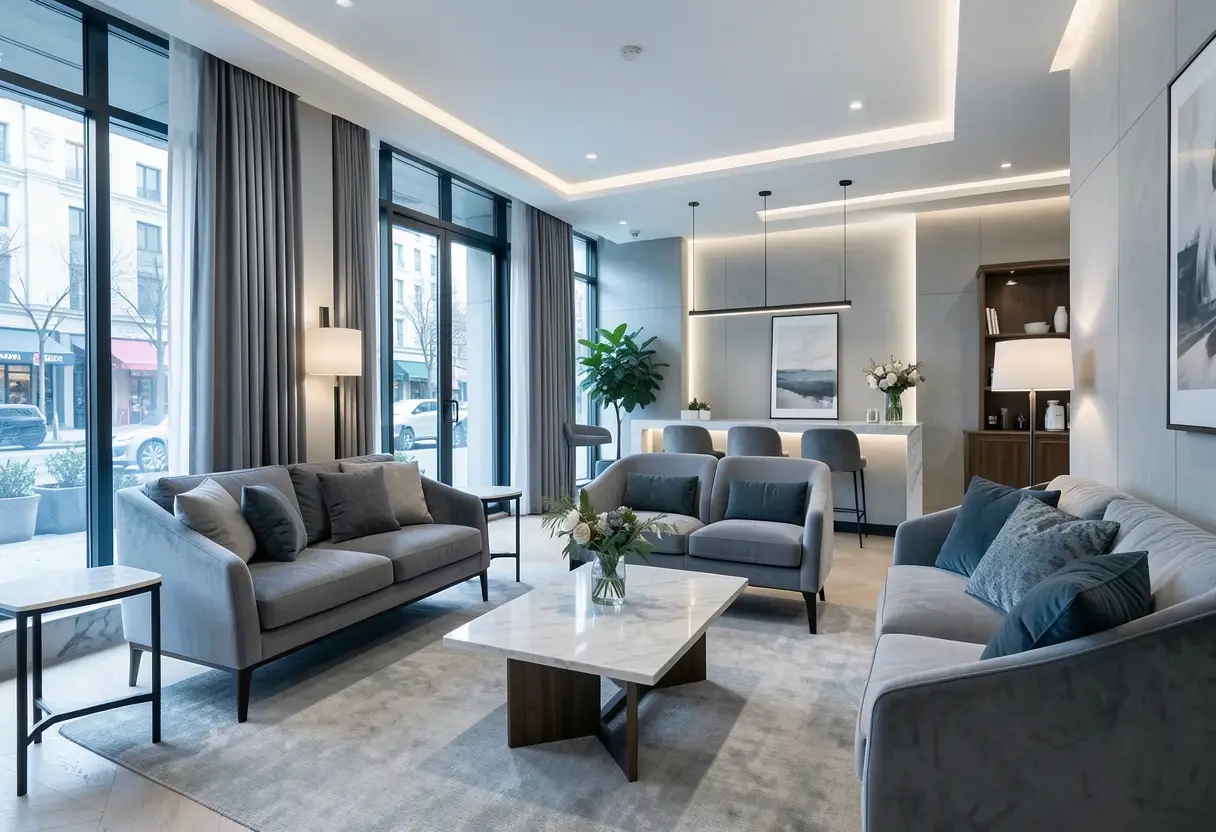
US boutique hotels achieved a 34% average daily rate (ADR) premium over same-class traditional hotels in 2025, according to research published in Boutique Hotel News. That figure is the industry's clearest quantification yet of what differentiation is worth at the point of sale: roughly a third more revenue per room night, without the distribution muscle of a global chain.
What drives the premium?
Guest psychology does. A recent American Express report found that 83% of millennial and Gen Z travelers prioritize unique, authentic experiences over popular tourist attractions, while 82% say they would choose an out-of-the-ordinary activity simply because it makes a good story. For independent operators, that demand base converts directly into pricing power.
The named operators prove the case. Passalacqua on Lake Como, SingleThread Farms in California, the Fife Arms in Scotland and MACAM Hotel in Lisbon routinely achieve higher average daily rates than surrounding luxury chain properties, according to the analysis. Each frames its offer around something a standardized five-star brand cannot copy: private villa living, culinary integration, immersive art curation.
Why the paradox of standardization matters
The wider context is consumer conformity. Social media, mass retail and trend-driven branding push both consumers and brands toward visual and behavioral sameness — a dynamic that rewards anyone who breaks from it. When a brand offers genuine distinction, the spell breaks: a vintage warehouse filled with rare artifacts, or a 900-year-old dungeon tower repurposed as a curated lodging experience, cuts through in a way no franchise formula can.
The majors know it. Marriott, Hyatt and IHG have bought out unique properties and, critics argue, transformed them into cookie-cutter units — which is precisely why the analysis urges independents to fiercely defend their distinct appeal.
The chain side has its own evidence. Julius Robinson, former Marriott VP and Global Brand Manager, now the company's Chief Commercial Officer, warned as far back as 2018 that "around 40 percent of Autograph guests indicate they would not stay in a 'branded' hotel; it's just not what they want."
Four in ten guests choosing a Marriott soft brand explicitly reject the corporate flag. That is a retention problem no loyalty program fully solves, and it explains why the soft-brand collection format exists at all: the majors need independent character more than independents need the majors' standards.
What should operators do?
The analysis pushes back on the abstract version of personalization — complex loyalty schemes, birthday emails — and locates its foundation elsewhere: knowing your brand and your target guests. Properties that start as distinct concepts attract guests at on-par or higher ADR than some major chains, and sustain it by leaning into heritage rather than mimicking chain-style visual cues, corporate formulas or trend-chasing amenities.
The risk runs both ways. An independent that imitates the chains alienates the guests who loved it for what it was, and wins no new ones, because travelers recognize the loss of authenticity instantly — the Aesop's fable of the Jay in borrowed peacock feathers, applied to rate strategy.
What happens next
Expect the acquisition pressure to continue: where Marriott, Hyatt and IHG cannot build character, they will keep buying it. Operators holding differentiated assets should treat provenance, curation and culinary identity as balance-sheet items — the 34% premium is the market's standing offer for properties that refuse to blend in.
via blog.guestcentric.com (Original)
More from Priya Raman
Show full bio
Staff writer covering companies, deals and strategy in European hospitality industry at Eurotables Report.
139 articles
Other tables tonight
- Nº 07Virgin Hotels Opens Its First London PropertyITOctober 20, 2026
- Nº 15Budget Hotel Chains Target 30-Point Branded Penetration Gap in EuropeDEOctober 10, 2026
- Nº 27Generator to Double to 30-40 Cities by 2030 as AI-Human Debate SharpensFROctober 14, 2026
- Nº 15European Hotels Post Mixed RevPAR in June 2025, Data ShowsFROctober 18, 2026
- Nº 31Hotels Face Four-Front Regulatory Squeeze on Rates, Wages and LeviesESNovember 17, 2026